
Everyone Brought Something

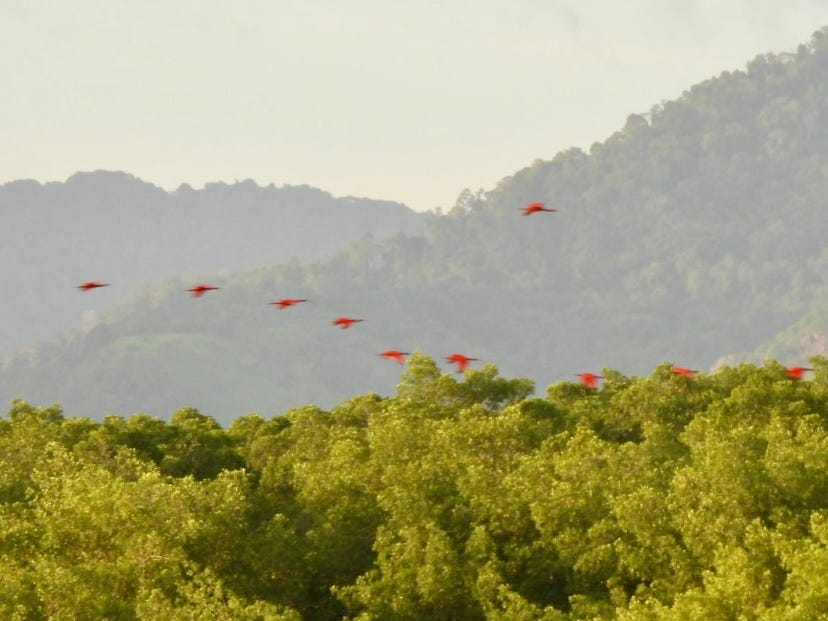
A few weeks before I left for my first BirdsCaribbean International Conference, attendees received an email requesting items for a silent auction. The proceeds would help fund scholarships for people attending future conferences.
The request was unusually open-ended: bring something large or small, old or new—anything you had to offer.
I did not know what that meant. Did people really pack auction donations into their suitcases? Was I supposed to bring a serious scientific book, a bird carving, or something from the Virgin Islands?
But my uncertainty went beyond what object to pack. I wasn’t only attending my first BirdsCaribbean conference. I was stepping into an entirely new scientific community.
The conference brings together scientists, conservationists, students, educators, and government officials from across the Caribbean to exchange research and ideas about bird conservation. I had registered because of the time I have been investing in learning bioacoustics, but my work and training did not follow the same path as those of many of the people attending.
The night I arrived, bell-like steel pan, fast soca beats, and laughter filtered up to my hotel room. Outside, it seemed as though everyone was celebrating being together. I wished I were meeting someone for dinner, but I knew no one. I ate in my room, alone.
The next morning at registration, a table had been set aside for auction donations. The table was crowded with books, bird guides, bird-related murder mysteries, methods manuals, sticker books, figurines, artwork, stuffed animals, T-shirts, mugs, toys, used field gear, and even vintage postage stamps from Cuba.
I felt bad that I had brought nothing.
Around me, people greeted old friends, hugged, and caught up on work they had been following for years. Listening to their conversations, I wondered what I had that was relevant to share. I knew I should introduce myself, but what was I going to say? I pretended to study the agenda, even though I had already scoured it for bioacoustics presentations.
I wanted to conduct avian research and become part of this community, but I was no longer sure I had come to the right place. Maybe I wasn’t ready.
For the next three days, I attended sessions on everything from hummingbirds and seabirds to threatened species, habitat restoration, environmental education, climate change, and new monitoring technologies. I listened to people describe decades of fieldwork and to students presenting some of their first research.
A few presenters discussed bioacoustics, but many focused on more established field methods: mist netting, tagging, nest surveys, and Motus tracking. I knew a little about each of them, but not enough, it seemed. I began to inventory skills I did not have, and the list was daunting.
The auction opened on the fourth morning.
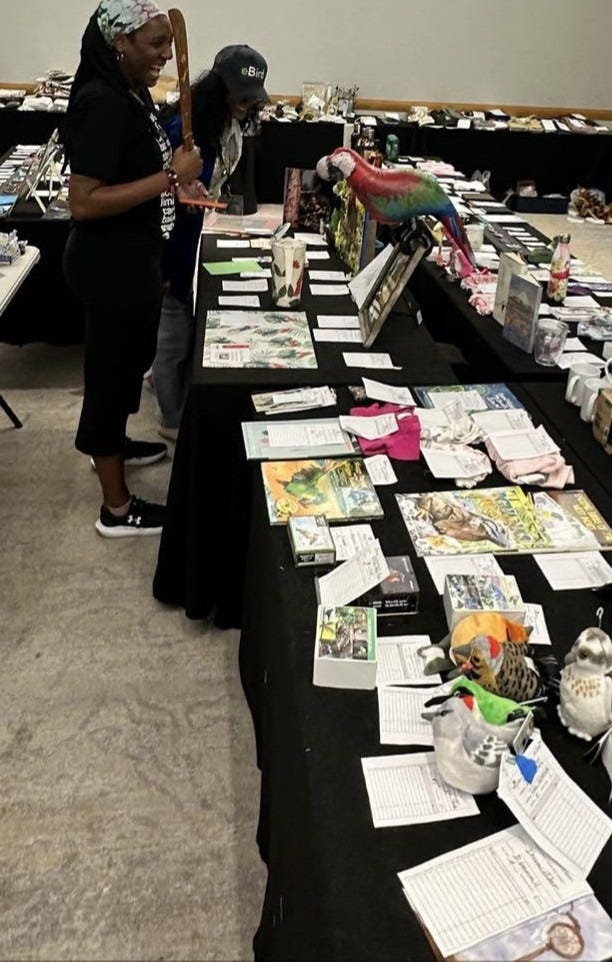
As I browsed, I remembered one of my daughter’s favorite books when she was small: Badger’s Bring-Something Party, written by Hiawyn Oram and illustrated by Susan Varley.
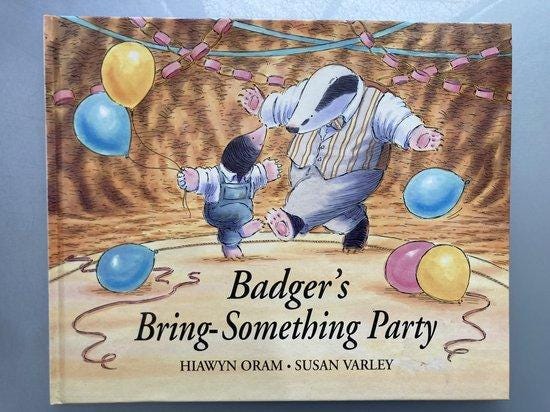
In the story, Badger asks everyone to bring something to his party. The other animals arrive with cakes, decorations, hats, and music. Mole comes with nothing except himself, and he does not believe that is enough. By the end of the party, he discovers that it is.
At the conference, the objects on the auction tables mattered because they raised money to expand who would be able to attend in the future. But the most important things people brought were not displayed on the tables.
They brought knowledge of particular birds and islands. They brought questions no one had answered, lessons from successful conservation projects, stories of projects that had failed, technical skills, local knowledge, and a shared curiosity about the lives of birds.
Some brought decades of field experience. Others brought fresh ideas, enthusiasm, or questions that challenged long-held assumptions.
I had registered for the conference’s mentor–mentee lunch without knowing which category I belonged in.
As it turned out, I was both.
I answered questions about obtaining permits under the U.S. Endangered Species Act, sharing something I knew from years of practicing environmental law. At the same time, I learned from people whose knowledge of Caribbean birds, field methods, and conservation far exceeded my own. By the end of lunch, I knew who to contact for more bird-banding experience.
Like Mole, I had arrived believing I had brought very little, but I had been asking the wrong question.
The question was not whether I already knew enough to belong. It was whether I was willing to contribute what I knew while remaining open to what other people could teach me.
Perhaps Trinidad was an especially fitting place to discover this. The island’s food, language, religious traditions, music, and natural history have all been shaped by movement and encounter: what people carried with them and what emerged when different traditions met. Steel pan, soca, and Trinidad’s layered cuisine all contain traces of different peoples, histories, and traditions meeting in one place.
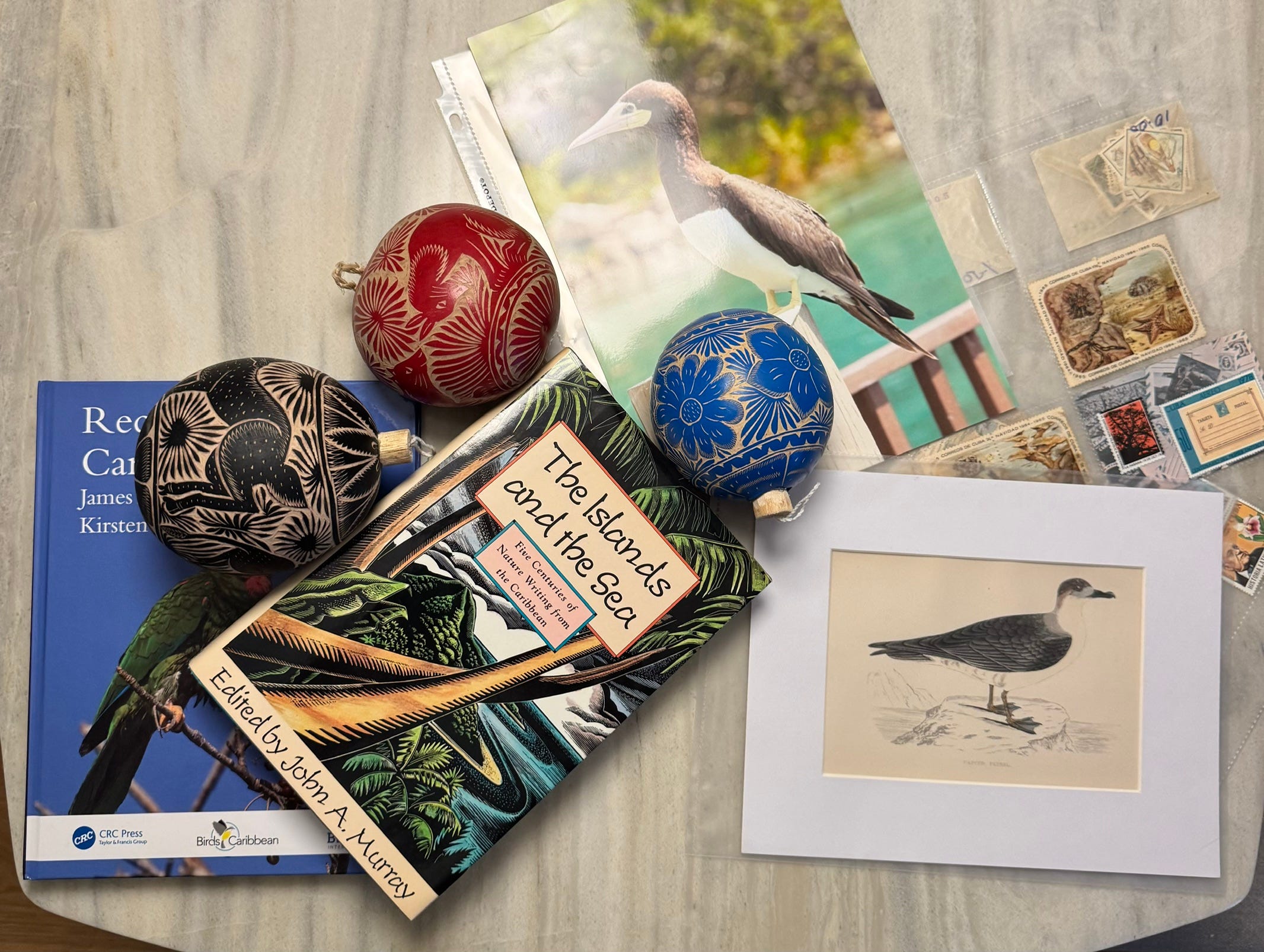
I went home with new contacts, auction treasures, and a better understanding of how belonging happens. We do not have to arrive knowing everything. We become part of a community by bringing what we have and making room for what others bring.
I’m already thinking about what I’ll be able to bring to the next conference.
I have been you at so many conferences!!
Bring something, yes!